More opportunities to work remotely, the advancement of technology, an ever-evolving digital world. What do these things all have in common? More time spent indoors.
As the world evolves, humans seem to be increasingly detached from nature, and more plugged in. Some may flaunt this as a result of technological achievements, evolution, an evolved way of living. But how does less time in nature actually impact us?
Mounting evidence points to the value of nature from a mental health perspective. Mental health is affected by a variety of different factors, both independent and interacting: social, economic, psychological, physiological, behavioral, environmental, genetic, and epigenetic (Bratman et al. 2019).
The few green spaces within walking distance contain a lot of gatekeeping – and by that I mean literal gates and fences, and people employed to prevent others from entering.
But mounting research indicates experiences in nature are associated with mental health benefits (Bratman et al. 2019). Taking a walk in nature versus urban environments impact our wellbeing in different ways. Proximity to green space or blue space (oceans/aquatic environments) affect the way we experience life. Nature plays a role in mental health – at least in the short term. The relationship between nature and longer-term mental health is lacking research.
Benefits of nature depend on location, type of interaction, form of sensory input-visual, olfactory, auditory, tactile (Bratman et al. 2019). But the evidence is clear – at least in the short term, interaction with nature is import for mental health, and increases psychological well-being (Bratman et al. 2019).
A former grad student, I can confirm this. Spending time in the woods, looking at plants and trees, and finding tiny frogs did wonders for my brain. My master’s thesis and the looming pressure of job hunting felt far away the further into the woods I walked.
I can also confirm this as a current resident of New York City. Walking out of my apartment each morning, I am bombarded by noise, by people, by pollution, by THINGS. As much as I love living in the city and the overwhelming number of things to do, to see, to experience, I find myself frequently longing for access to nature. The few green spaces within walking distance contain a lot of gatekeeping – and by that I mean literal gates and fences, and people employed to prevent others from entering.
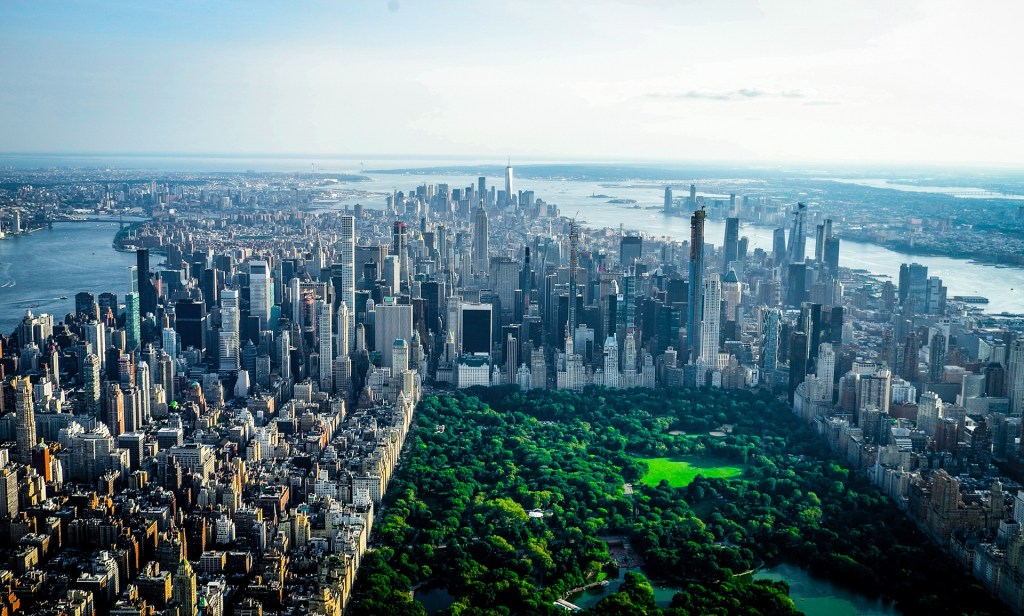
Here, greenspaces are to be looked at, not enjoyed. To be fair limited greenspace means if everyone enjoyed these areas through rigorous activities, dog pee, etc. there would be no greenspace left to speak of. But I’m also left to wonder, if the greensapce can’t even be truly enjoyed, felt, lived in, what is the point? Does it still count? And is it actually accessible?
 Kelly Nealon
Leave a comment